
You just deployed a shiny new generative AI tool. It writes emails, summarizes reports, and maybe even helps with hiring decisions. But here is the uncomfortable truth: nobody outside your company knows if it actually works as promised-or if it’s quietly hallucinating facts or baking in bias. That gap between what you think your AI does and what it actually does is exactly where risk lives.
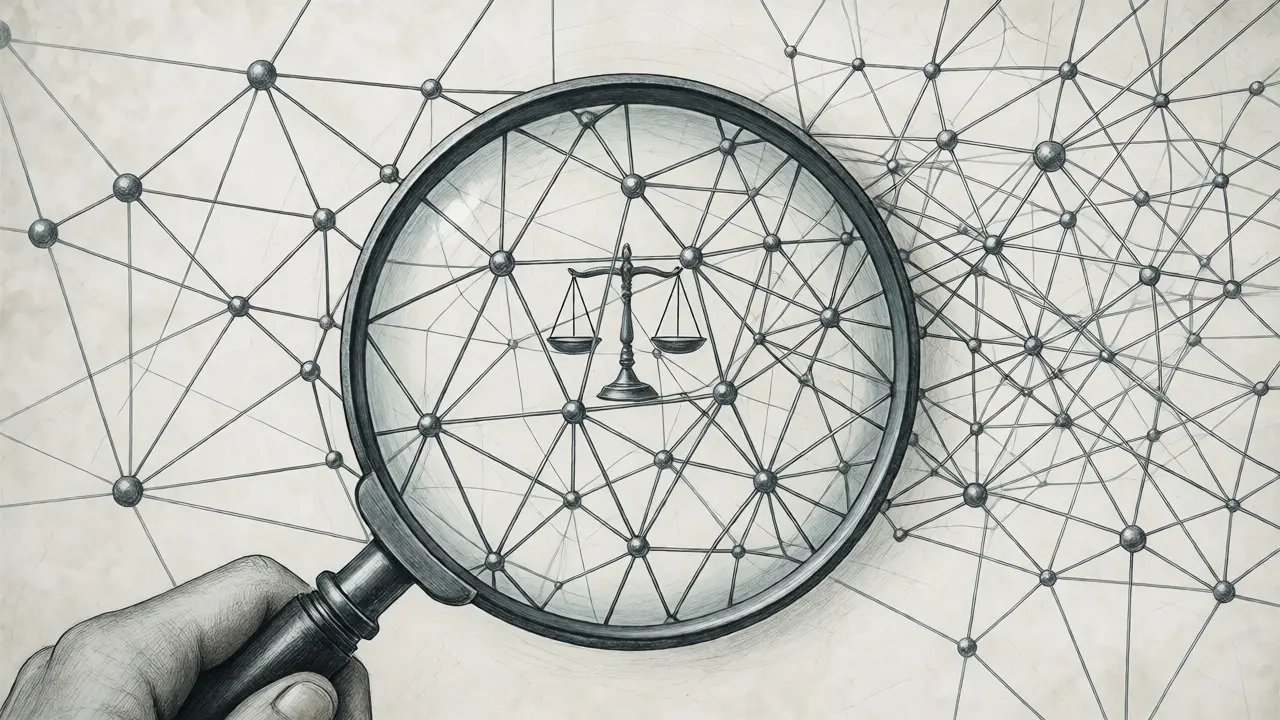
Independent audits of Generative AI Systems are no longer optional luxuries for tech giants; they are becoming essential checkpoints for any organization serious about compliance and trust. Think of them as the annual physical for your algorithms. They verify that your systems comply with internal policies, external regulations like the EU AI Act, and ethical standards before things go sideways.
Why You Need an Outside Pair of Eyes
Internal teams often suffer from blind spots. You built the model, you trained it, and you likely love it. An independent auditor doesn’t care about your feelings; they care about evidence. These structured assessments serve as external verification that your AI governance practices meet legal requirements. They provide accountability checkpoints that protect you from legal, operational, and reputational risks.
Consider the human resources department. If your AI screening tool rejects candidates based on subtle biases in training data, you aren’t just risking bad hires-you’re risking lawsuits. A recent survey by the Center for Audit Quality found that one in three audit partners see companies deploying AI in financial and operational functions. This widespread adoption means regulators are watching closely. An independent audit proves you aren’t just moving fast and breaking things; you’re moving fast with a safety net.
The Regulatory Landscape: Who Is Watching?
You might wonder which rules actually apply to you. The landscape is fragmented but tightening rapidly. In Europe, the EU AI Act mandates conformity assessments and post-market monitoring for high-risk systems. This is currently the most comprehensive regulatory approach globally. If you do business in the EU, this isn’t a suggestion-it’s law.
In the United States, things are more voluntary but equally influential. The NIST AI Risk Management Framework (RMF) provides a blueprint for measuring and managing AI risks. While not strictly mandatory for all sectors yet, its "Measure" function requires organizations to identify, analyze, and manage risks through specific metrics. Ignoring NIST guidelines can look negligent in court, even if there’s no direct fine attached.
Canada is also stepping up with Bill C-27, preparing mandatory rules for high-impact AI systems. Meanwhile, international standards like ISO/IEC 42001 offer guidance on building audit-ready processes. This standard focuses on monitoring, documentation, and risk assessment, giving you a universal language to speak with auditors worldwide.
What Exactly Gets Audited?
Audit scope isn’t vague. It breaks down into five critical dimensions, often codified by initiatives like the International AI Audit and Integrity Standard (IAAIS). When an auditor walks in, they are looking at:
- Data Quality and Consent: Where did the training data come from? Was consent obtained properly? How is input data managed?
- Model Behavior: Does the model perform fairly across different demographic groups? Is it explainable? We test for bias and accuracy here.
- Security Protocols: Who has access to the model and the data? Are protections against unauthorized use robust?
- Governance Processes: Is there role clarity? Do you have an incident response plan? Can you track system updates?
- Transparency: Can you document how the model makes decisions? Is the logic available for review?
These checks involve technical tests, documentation reviews, and evaluations of your internal procedures. It’s not enough to say "the AI works." You have to prove it.
Frequency and Timing: When Should You Audit?
How often should you pull the trigger on an audit? There is no one-size-fits-all answer, but risk level dictates frequency. High-risk systems-those impacting health, finance, or employment-typically require annual independent audits at minimum. Some organizations opt for quarterly reviews if the stakes are exceptionally high.
Beyond the calendar, trigger-based audits are crucial. You should schedule an immediate assessment after significant changes to the AI system, following any major incidents, or when regulators demand it. Continuous monitoring can supplement these periodic deep dives, maintaining ongoing compliance without waiting for the annual checkup.
| Risk Level | Recommended Frequency | Trigger Events |
|---|---|---|
| High (HR, Finance, Health) | Annual to Quarterly | Major model update, regulatory change, public complaint |
| Medium (Customer Service, Marketing) | Annual | New vendor integration, performance drop |
| Low (Internal Tools, Drafting) | Biennial | Significant user feedback issues |
Who Performs the Audit?
You cannot grade your own homework. Qualified auditors must possess diverse expertise across technical, legal, and ethical domains. These are typically third-party entities: certified auditors, specialized consulting firms, or nonprofit laboratories. They bring neutrality and specific specialization that your internal team lacks.
For internal preliminary checks, form cross-functional teams. Include representatives from compliance, HR, IT, and legal. Usually, in-house counsel or the head of compliance spearheads these efforts. However, remember that internal checks are just that-internal. For true independence and certification value, you need an outside party.

Building an Audit-Ready Organization
Preparing for an audit starts long before the auditor arrives. You need traceability. Keep records of data sources, model changes, and decision logs. If you can’t reconstruct why the AI made a specific choice last month, you will fail the transparency check.
Adopt a risk-based approach. Classify your systems by potential impact and apply controls accordingly. Assign clear ownership. Designate audit points of contact across legal, technical, and compliance teams. This ensures that when questions arise, there is someone who can answer them immediately.
Governance frameworks are your backbone. Document how AI systems work, clarify data sources, and define limitations. Accountability requires clearly defined roles. Business-wide use policies must specify what tasks require human oversight and list acceptable use cases. Engaging stakeholders across IT, legal, and compliance early prevents surprises later.
The Human Element in Automated Audits
Here is a twist: what happens when auditors use AI to audit AI? Generative AI raises questions about transparency and accountability within the audit process itself. Excessive dependence on AI tools can lead to complacency, diminishing critical thinking. Internal audit teams must confirm that organizations uphold ethical standards, even when using automation to enhance efficiency.
Maintain human judgment. Use AI to speed up data processing, but let humans interpret the results. The goal is augmented intelligence, not replaced oversight. As regulators scrutinize AI auditing, the balance between efficiency and human scrutiny will become a key metric of audit quality.
Are AI audits mandatory for all companies?
Not universally yet, but they are becoming mandatory for high-risk systems under regulations like the EU AI Act. In the US, while largely voluntary via frameworks like NIST, industry pressure and liability concerns make them effectively necessary for large enterprises.
What is the difference between an internal and independent audit?
Internal audits are conducted by employees within the organization to identify issues early. Independent audits are performed by neutral third parties, providing objective verification and credibility for regulators and stakeholders.
How much does an independent AI audit cost?
Costs vary widely based on system complexity and scope. Small-scale audits might range from $10,000 to $50,000, while comprehensive enterprise-level assessments can exceed $100,000. Budget for this in your lifecycle planning.
Can I audit my own generative AI model?
You can conduct internal assessments, but they lack the independence required for formal certification or regulatory defense. External validation is crucial for proving impartiality and rigor.
What standards should I follow for AI audits?
Key standards include ISO/IEC 42001 for management systems, NIST AI RMF for risk management, and emerging standards like the International AI Audit and Integrity Standard (IAAIS) for broader integrity checks.