
Imagine building a functional Minimum Viable Product (MVP) in under 24 hours instead of three weeks. For many founders, this isn't a fantasy; it's the new reality driven by Vibe Coding. This methodology blends lean thinking with Large Language Models to compress validation cycles from months into hours. But does speed come at the cost of stability? If you're launching a startup in 2026, understanding how to leverage Vibe Coding without collapsing under technical debt is your competitive edge.
What Exactly Is Vibe Coding?
Vibe Coding is a structured yet flexible framework for building MVPs that uses AI assistants like GitHub Copilot or Cursor to generate code rapidly while maintaining human oversight on architecture. Unlike traditional development, where every line is manually crafted, or pure no-code platforms that lock you into specific ecosystems, Vibe Coding occupies a middle ground. It allows founders with basic technical literacy to build custom solutions quickly. The core philosophy answers one question: "How can we build fast without breaking everything later?"
This approach isn't just about typing faster. It's a workflow shift. You move from writing syntax to defining intent. You prompt an AI, review the output, and refine the logic. Creative Bits AI’s framework documentation highlights nine distinct phases, moving from problem definition to deployment. The goal is flow-getting ideas from your head into users' hands before your runway runs out.
The Speed Advantage: Data vs. Reality
Let's look at the numbers. Traditional MVP development often takes hundreds of hours. A benchmark study by Siddharth Bharath analyzed 30 SaaS MVPs and found that Vibe Coding reduced initial development time from an average of 280 hours to just 42 hours. That’s an 85% reduction. Upsilon IT’s analysis of 120 projects showed similar results, cutting time-to-prototype by 83% compared to manual coding.
Why does this matter? Because startups die when they spend six months building something nobody wants. With Vibe Coding, you can deploy a prototype, gather feedback within 72 hours, and pivot if necessary. Quixy’s case study documented a team building a customer onboarding tool in under 24 hours. They didn’t just save time; they saved their budget. Instead of hiring a full-time engineer for a month, they used AI tools to validate demand immediately.
Essential Tools in the Vibe Coding Stack
You don't need a massive engineering team to start. You need the right tools. Most successful Vibe Coders rely on a stack that combines AI editors, hosting platforms, and backend services. Here is how the major players compare in terms of utility for MVPs.
| Tool Name | Primary Function | Cost (Approx.) | Best For |
|---|---|---|---|
| Cursor | AI Code Editor | $20/user/month | Founders with some coding knowledge who want control |
| Bolt.new | Full-stack Web App Generator | Free tier available | Rapid prototyping and one-shot generation |
| v0.dev | UI Component Generation | Free tier available | Designing interfaces quickly using React/Tailwind |
| Supabase | Backend-as-a-Service | From $25/month | Database and authentication without managing servers |
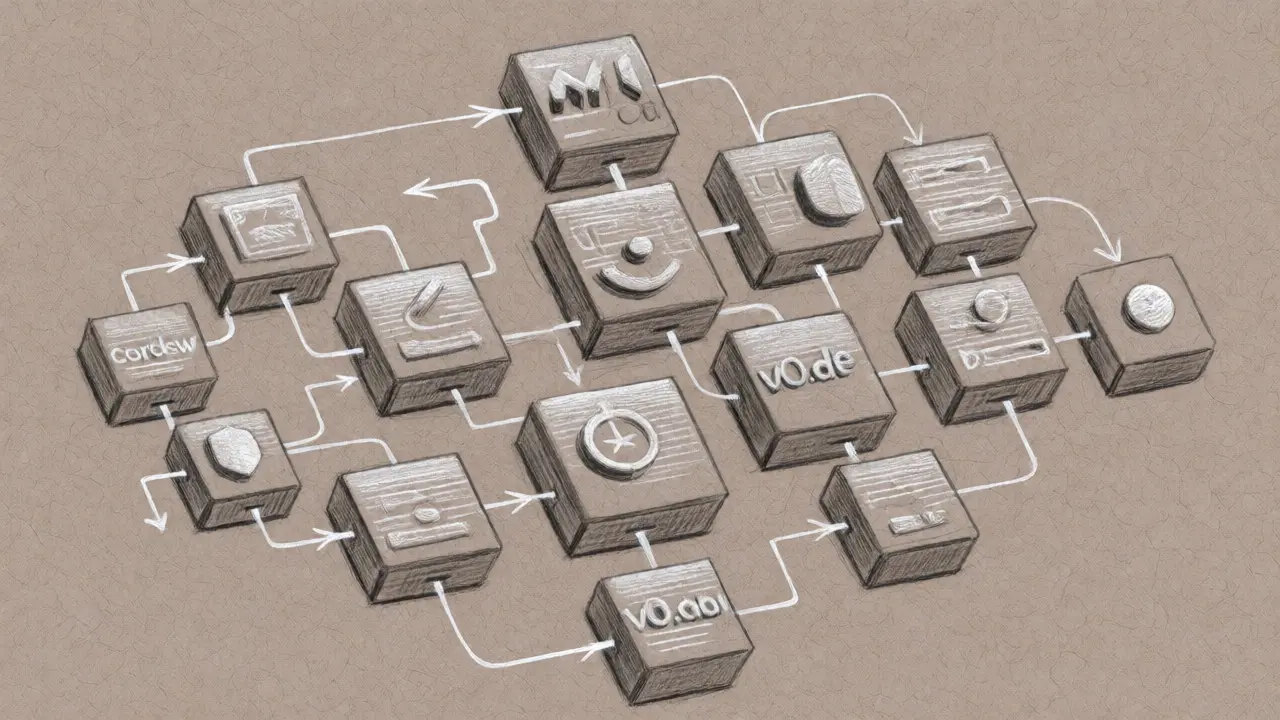
Notice the pattern? These tools are designed for integration. You might use v0 to generate your frontend components, paste them into Cursor to add business logic, and connect them to Supabase for data storage. This modular approach keeps the codebase clean and manageable, even when generated by AI.
The Hidden Cost: Technical Debt and Hallucinations
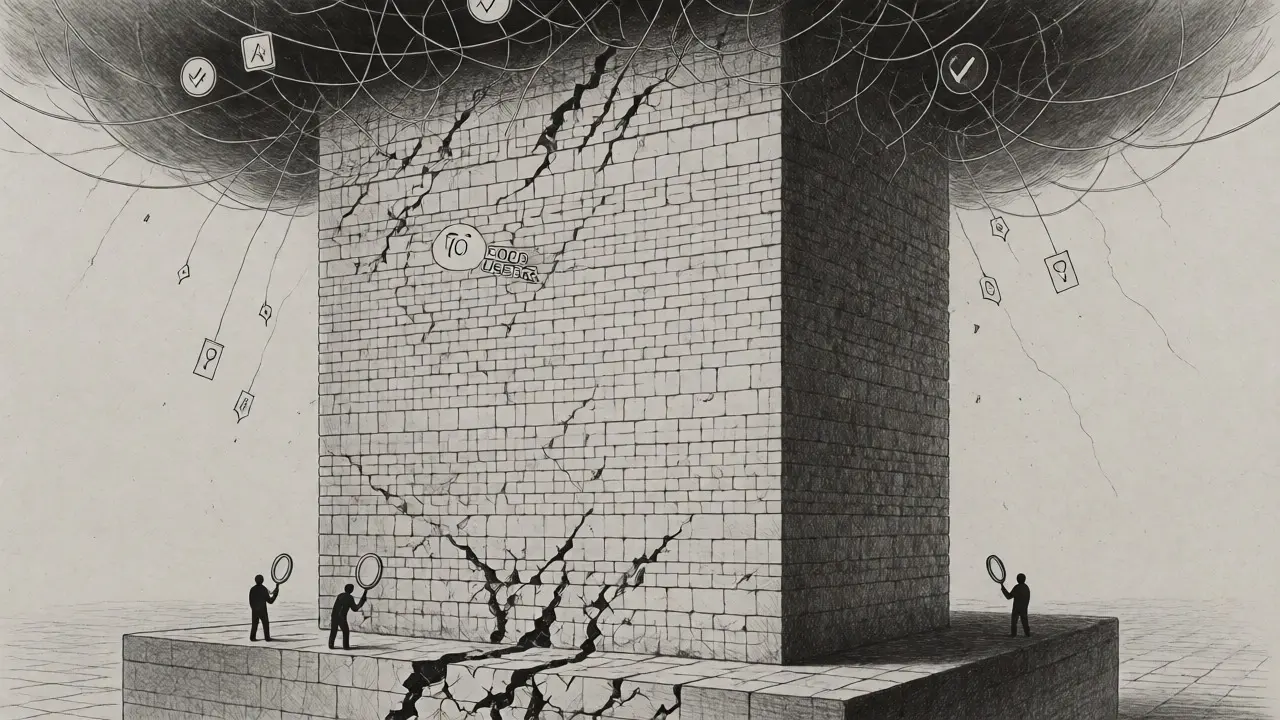
Speed is seductive, but it comes with risks. AIMultiple’s research revealed that uncleaned Vibe Coded applications have a 32% higher rate of technical debt and 28% more security vulnerabilities than traditionally coded apps. Why? Because AI models hallucinate. They might invent libraries that don't exist or write inefficient loops that work fine with ten users but crash with five hundred.
A common failure mode looks like this: A founder builds an MVP in a weekend using Bolt. It works perfectly in demos. They get traction. Then, at 500 users, the app collapses due to architectural flaws. Refactoring costs them six developer weeks. Dr. Elena Rodriguez, CTO at TechValidate Inc., warns that 68% of failed startups using this method neglected the cleanup phase. You cannot skip this step. Vibe Coding gets you to the starting line; it doesn't guarantee you'll finish the race without maintenance.
When to Use Vibe Coding (And When Not To)
Not every project fits this model. Vibe Coding excels when you need to validate a concept quickly. If you’re building a dashboard, a simple SaaS landing page, or a CRUD (Create, Read, Update, Delete) application, it’s perfect. Gartner predicts that 75% of startups will use some form of Vibe Coding by 2026, largely because these use cases dominate early-stage product development.
However, avoid Vibe Coding for complex algorithmic problems or strict regulatory environments initially. If your core value proposition relies on a novel machine learning algorithm or high-frequency trading logic, AI-generated boilerplate won't help much. Similarly, if you’re building a fintech app requiring immediate SOC2 compliance, the security overhead might outweigh the speed benefits until you have a stable architecture.
Practical Steps to Implement Vibe Coding
Ready to try it? Don't just open an editor and type "make me an app." Follow this structured loop to keep chaos at bay:
- Define the Problem Clearly: Write down exactly what the user needs to do. Be specific. "Users can upload images" is better than "Users can manage photos."
- Select Your Stack: Choose tools you understand or are willing to learn. React + Tailwind + Supabase is a popular combo because AI models know these patterns well.
- Prompt with Context: Use files like `.cursorrules` to tell the AI your preferences (e.g., "Use TypeScript," "No external CSS files").
- Iterate in Small Chunks: Ask for one feature at a time. Generate, test, fix, then move to the next feature. Don't ask for the whole app at once.
- Cleanup Before Scaling: Once the MVP works, refactor. Remove unused dependencies, optimize database queries, and add error handling.
This "Prompt → Generate → Implement → Test → Refine" cycle is the heartbeat of Vibe Coding. Skipping the test and refine steps is where most beginners fail.
Real-World Successes and Failures
Community discussions offer valuable lessons. On Reddit’s r/startups, a founder reported building an MVP in 18 hours using Cursor and Bolt, landing three pilot customers immediately. Conversely, Hacker News threads document cautionary tales. One CTO shared how their Vibe Coded MVP collapsed at 500 users due to architectural flaws, costing significant time to fix.
The difference between success and failure often lies in the founder's willingness to treat AI as a junior developer rather than a senior architect. You still need to make the big decisions. AI handles the syntax; you handle the strategy.
Frequently Asked Questions
Do I need to know how to code to use Vibe Coding?
You don't need to be a full-stack expert, but basic technical literacy helps. Understanding concepts like variables, APIs, and database structures allows you to debug AI outputs effectively. Founders with zero coding experience can use one-shot generators like Lovable, but they may struggle with customization later.
Is Vibe Coding secure enough for production?
Raw Vibe Coded output often has security vulnerabilities. AIMultiple reports that 83% of uncleaned applications fail security audits. You must perform a dedicated cleanup phase, including input validation and dependency checks, before handling sensitive user data in production.
How much does Vibe Coding cost compared to hiring developers?
Tool subscriptions typically range from $20 to $50 per month per user. This is significantly cheaper than hiring a freelance developer, which might cost $5,000 to $10,000 for a basic MVP. However, remember that you pay with your time for debugging and cleanup.
Can investors tell if my MVP was Vibe Coded?
Usually, no. Investors care about traction and functionality, not the code source. If your app works smoothly and solves the user's problem, the underlying technology is secondary. Just ensure you can demonstrate control over the codebase during technical due diligence.
What happens if the AI hallucinates code?
Hallucination rates hover around 15-25% for complex tasks. This means the AI might invent functions or libraries. Always verify imports and run tests. Using strict prompting guidelines and reviewing code changes incrementally reduces the impact of these errors.