SCC Comets

Continuous Evaluation in Production: Shadow Testing Large Language Models

Continuous Evaluation in Production: Shadow Testing Large Language Models

Shadow testing lets you evaluate new large language models in production without risking user experience. Learn how it catches hallucinations, safety issues, and cost spikes before they impact real users.

Scheduling Strategies to Maximize LLM Utilization During Scaling

Scheduling Strategies to Maximize LLM Utilization During Scaling

Learn how dynamic batching, sequence prediction, and token budgeting can boost LLM GPU utilization by up to 87%, slash costs, and cut latency. Real-world strategies used by top AI teams in 2026.
Model Selection for Vibe Coding: Claude, GPT-4, and Gemini Compared

Model Selection for Vibe Coding: Claude, GPT-4, and Gemini Compared

Learn how to choose between Claude Opus, GPT-4 Turbo, and Gemini Flash for vibe coding in 2026. Save time, reduce costs, and build better software by matching each AI model to the right task.
Legal Review Steps for Vibe-Coded Features That Handle Customer Data

Legal Review Steps for Vibe-Coded Features That Handle Customer Data

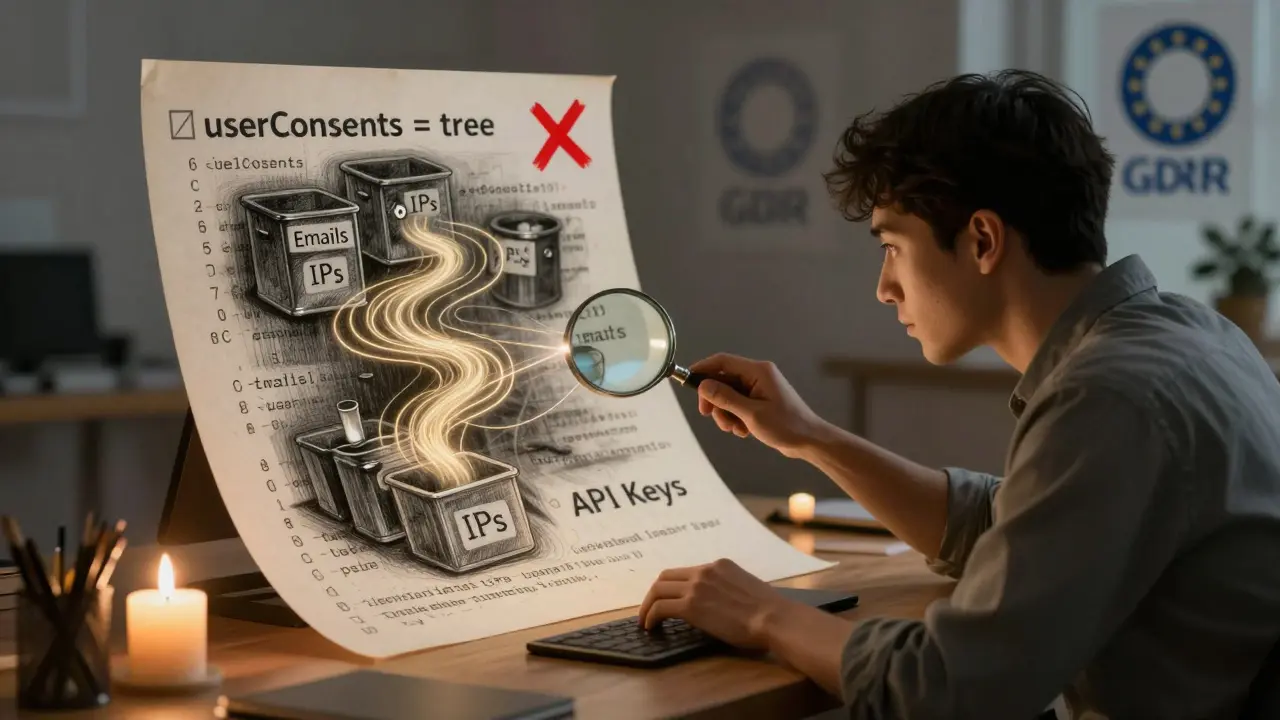
Vibe coding speeds up development but creates serious legal risks when handling customer data. Learn the 9-step legal review process to avoid GDPR fines, data breaches, and regulatory audits in 2026.
Security by Design in Vibe-Coded Architectures: How to Build Secure AI-Generated Code

Security by Design in Vibe-Coded Architectures: How to Build Secure AI-Generated Code

Vibe coding speeds up development but introduces serious security risks. Learn the top threats in AI-generated code and how to implement real, proven controls to build secure systems without slowing down.
How to Prevent Sensitive Prompt and System Prompt Leakage in LLMs

How to Prevent Sensitive Prompt and System Prompt Leakage in LLMs

System prompt leakage is a critical AI security flaw where LLMs reveal their hidden instructions to attackers. Learn how to prevent it using proven techniques like output filtering, instruction defense, and external guardrails to stop data exposure and jailbreaks.
Vibe Coding for Full-Stack Apps: What AI Can Really Do Today

Vibe Coding for Full-Stack Apps: What AI Can Really Do Today

Vibe coding lets you build full-stack apps with AI from simple prompts. Learn what it can do today, where it fails, and how to use it effectively without getting burned by bad code.
How to Calibrate Confidence in Non-English LLM Outputs

How to Calibrate Confidence in Non-English LLM Outputs

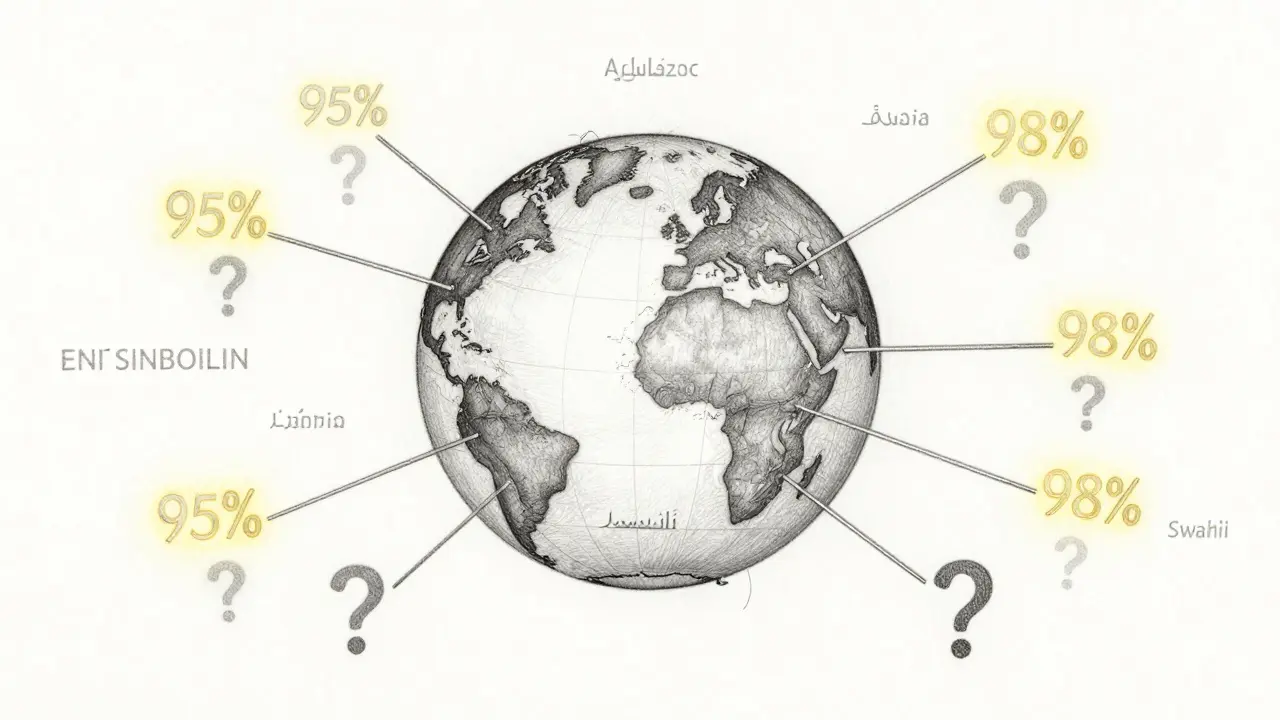
LLMs often overstate their confidence in non-English responses, creating dangerous blind spots. Learn why calibration fails across languages and how to protect yourself today.
Flash Attention: How Memory Optimizations Speed Up Large Language Model Inference

Flash Attention: How Memory Optimizations Speed Up Large Language Model Inference

Flash Attention slashes memory use and speeds up LLM inference by optimizing how attention computations move data in GPU memory. It enables 32K+ token contexts without accuracy loss, and is now standard in top models like Llama 3 and Claude 3.
Fairness Testing for Generative AI: Metrics, Audits, and Remediation Plans

Fairness Testing for Generative AI: Metrics, Audits, and Remediation Plans

Fairness testing for generative AI ensures AI systems don't reinforce bias in text, images, and decisions. Learn key metrics, audit methods, and real-world remediation plans used by leading companies in 2026.
How Large Language Models Learn: Self-Supervised Training at Internet Scale

How Large Language Models Learn: Self-Supervised Training at Internet Scale

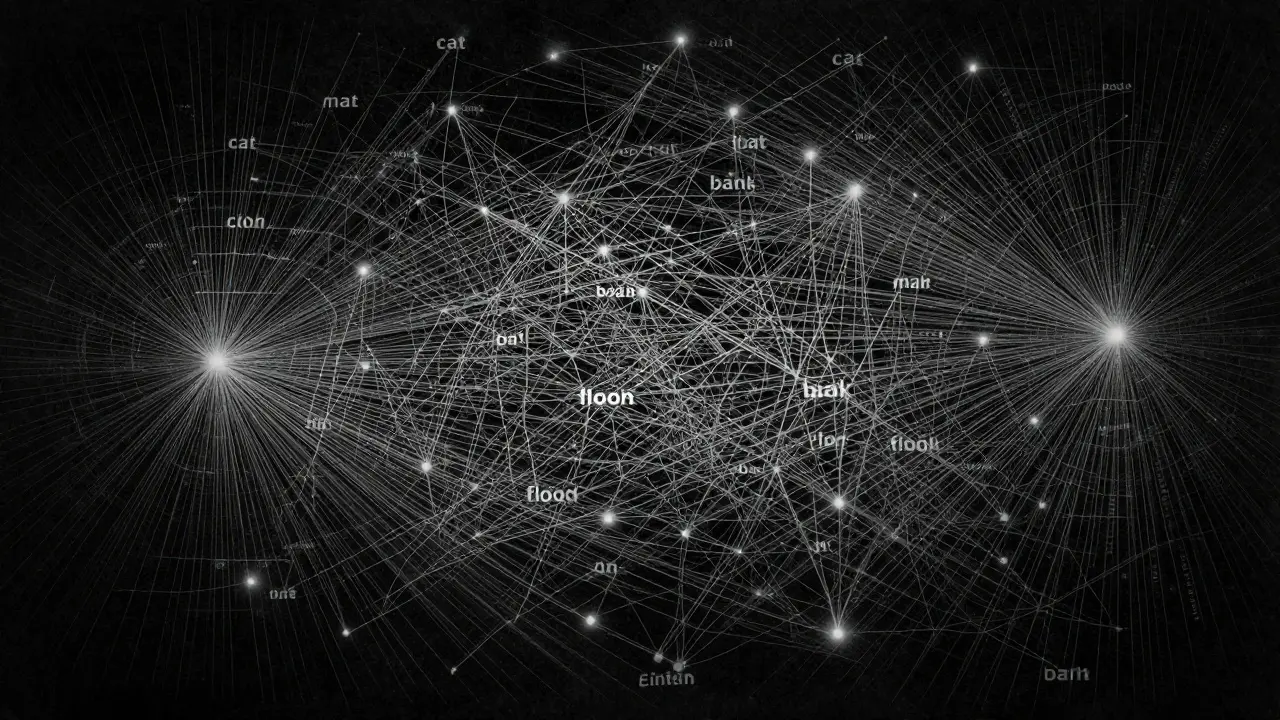
Large language models learn by predicting the next word in trillions of internet text samples using self-supervised training. This method powers GPT-4, Claude 3, and Llama 3, but comes with trade-offs in accuracy, bias, and cost.
Accessibility-Inclusive Vibe Coding: Build WCAG-Compliant Interfaces by Default

Accessibility-Inclusive Vibe Coding: Build WCAG-Compliant Interfaces by Default

Accessibility-inclusive vibe coding combines AI-assisted development with WCAG 2.2 patterns to build accessible interfaces by default. Learn how to reduce fixes, avoid audits, and create truly inclusive digital products.