Category: Software Architecture

How to Build a Coding Center of Excellence: Charter, Staffing, and Real Goals

How to Build a Coding Center of Excellence: Charter, Staffing, and Real Goals

A Coding Center of Excellence isn’t about enforcing rules - it’s about giving teams tools, templates, and consistency to ship faster and break less. Learn how to build one with the right charter, staffing, and measurable goals.
Team Size Compression: How Smaller Teams Deliver More Without Burning Out

Team Size Compression: How Smaller Teams Deliver More Without Burning Out

Smaller teams can deliver more by cutting waste, not people. Learn how compressing your team to 60% of its size boosts speed, reduces burnout, and unlocks real productivity.
API Gateways and Service Meshes in Microservices Architecture

API Gateways and Service Meshes in Microservices Architecture

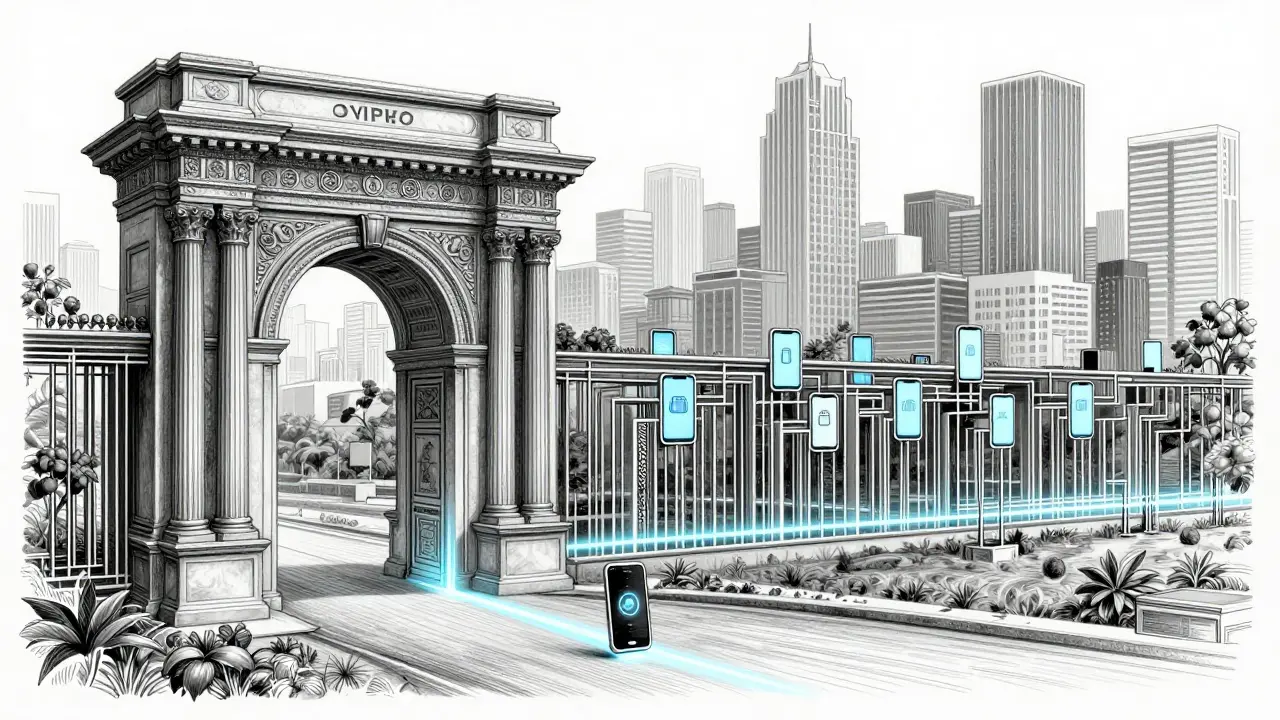
API Gateways manage external client traffic, while Service Meshes handle internal service communication. Learn how Kong, Istio, and Linkerd solve different problems in microservices architecture - and why using both correctly leads to more reliable systems.
Architectural Standards for Vibe-Coded Systems: What Works and What Doesn’t

Architectural Standards for Vibe-Coded Systems: What Works and What Doesn’t

Vibe coding accelerates development but introduces serious architectural risks without discipline. Learn the five non-negotiable standards, reference implementations, and governance practices that separate sustainable AI-generated systems from technical debt traps.
Architectural Standards for Vibe-Coded Systems: Reference Implementations

Architectural Standards for Vibe-Coded Systems: Reference Implementations

Vibe coding accelerates development but creates dangerous technical debt without architectural rules. Learn the five non-negotiable standards, reference implementations, and governance practices that separate successful AI-generated systems from failed ones.
Pattern Libraries for AI: How Reusable Templates Improve Vibe Coding Accuracy and Security

Pattern Libraries for AI: How Reusable Templates Improve Vibe Coding Accuracy and Security

Pattern libraries for AI are reusable templates that guide AI coding assistants to generate secure, consistent code. Learn how they reduce vulnerabilities, speed up development, and work with tools like Cursor and GitHub Copilot.
Code Ownership Models for Vibe-Coded Repos: Avoiding Orphaned Modules in AI-Assisted Development

Code Ownership Models for Vibe-Coded Repos: Avoiding Orphaned Modules in AI-Assisted Development

AI-generated code is everywhere-but without clear ownership, it becomes a ticking time bomb. Learn the three models for claiming code in vibe-coded repos and how to stop orphaned modules before they break your system.
Model Lifecycle Management: Versioning, Deprecation, and Sunset Policies Explained

Model Lifecycle Management: Versioning, Deprecation, and Sunset Policies Explained

Learn how versioning, deprecation, and sunset policies keep AI models reliable, compliant, and safe. Real-world examples from finance, healthcare, and enterprise AI teams show why these practices aren’t optional anymore.